


How did the Chinese-Caribbean connection start?
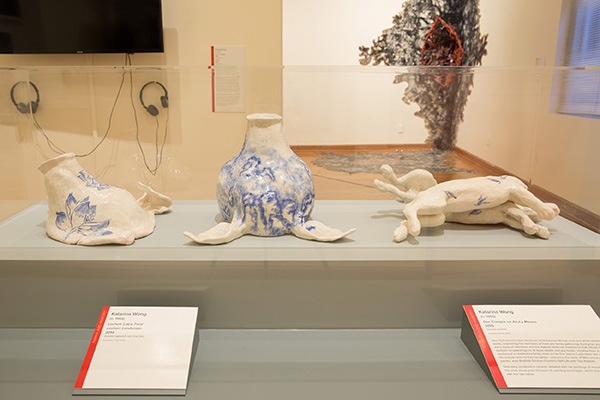
From the 1800s through the 1900s, Chinese immigrants came in several waves to the Caribbean. First, indentured laborers were brought to islands like Trinidad and Cuba, where they sometimes worked alongside slaves even after slavery was officially outlawed. Later, as the slave-supported sugar industry collapsed, immigrants and former indentured workers joined a growing paid labor force.
"The exhibition features two videos that have to do with my family, which went from Fujian to Trinidad and Tobago in the early 1860s," Richard Fung told CGTN Digital. "My mother was third-generation Chinese Trinidadian. My father was Hakka and immigrated to Trinidad in the early 1920s."
The video artist, who is also a writer, public intellectual and theorist, said his work examines how colonial and post-independence racial contexts impact interpersonal and social relations in Trinidad and Tobago primarily from a Chinese perspective.





