



China begins trial of faster, more detailed AI dust forecasting system









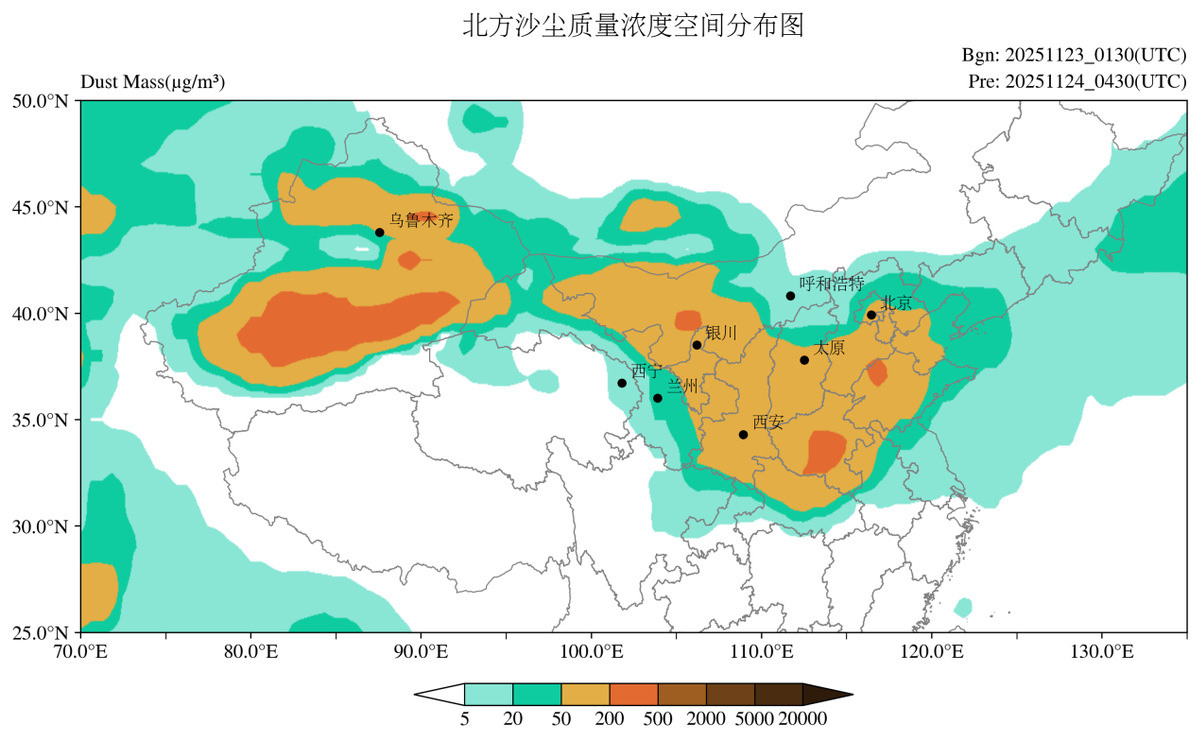
Yue Ping, a researcher at the institute, noted that spring remains the most active period for dust outbreaks because exposed soil and frequent cold-air activity form a potent mix. Summer and autumn bring weaker events driven mainly by long-range transport, which are still difficult to forecast.
The system is intended to assist with both situations by providing higher-resolution optical and mass concentration data for multiple aerosol types, along with dozens of environmental indicators refreshed throughout the day.
Meteorologists say the project could offer a template for international cooperation in regions where dust storms regularly cross borders. Lower hardware demands may help agencies in Central Asia, North Africa, and the Middle East adopt similar tools for early-warning work.


- China's flying eye hospital takes first voyage to Hainan
- Driver arrested after hit-and-run kills 2 in Hainan
- First Tibetan tap dance drama to debut in Beijing
- China releases global high-quality journal list for medicine, life sciences
- The Datong Code EP.5 | Intangible cultural heritage micro-drama series
- Lab explosion at Chongqing University kills one, injures three





