The China Story
at your Fingertips
OPEN

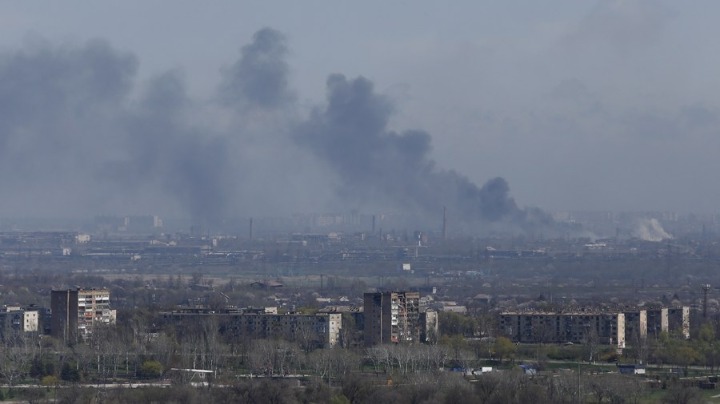
Russia's President Vladimir Putin says his country will continue its yearlong "special military operation" in Ukraine, and he accused the US-led NATO alliance of fanning the flames.
Russia-Ukraine conflict would have cost world economy $1.6 trillion in 2022, according to a study published by the German Economic Institute.
GENEVA - The outlook for the global economy has darkened since the outbreak of the Russia-Ukraine conflict, the World Trade Organization (WTO) said in its annual trade statistics and outlook report published on Tuesday.
Global gross domestic product (GDP) at market exchange rates is projected by the WTO to grow by 2.8 percent in 2022, down 1.3 percentage points from the previous forecast of 4.1 percent. Growth is expected to pick up to 3.2 percent in 2023, close to the average rate of 3.0 percent between 2010 and 2019.
The organization expects world merchandise trade volume to grow by 3.0 percent in 2022, down from its previous forecast of 4.7 percent. The growth rate is estimated at 3.4 percent for 2023, but these projections are less certain than usual due to the fluid nature of the Russia-Ukraine conflict.
The most immediate economic impact of the crisis has been a sharp rise in commodity prices, the report said.
It stressed that Russia and Ukraine are both key suppliers of essential goods, such as food, energy and fertilizers. Grain shipments through Black Sea ports have already been halted, with potentially dire consequences for food security in poor countries.
In 2022, output in the Commonwealth of Independent States (CIS) region -- which excludes Ukraine -- is expected to see a sharp 7.9 percent drop, leading to a 12.0 percent contraction in the region's imports.
According to Ngozi Okonjo-Iweala, director general of the WTO, the military conflict has "damaged the global economy at a critical juncture. Its impact will be felt around the world, particularly in low-income countries, where food accounts for a large fraction of household spending."
"This is not the time to turn inward. In a crisis, more trade is needed to ensure stable, equitable access to necessities. Restricting trade will threaten the wellbeing of families and businesses and make more fraught the task of building a durable economic recovery from COVID-19," she said.
Okonjo-Iweala called on governments and multilateral organizations to work together to facilitate trade at a time of sharp inflationary pressures on essential supplies and growing pressures on supply chains.



MOSCOW - Russia's armed forces have destroyed air defense equipment supplied to Ukraine by a European country, the Russian Defense Ministry said Monday.
"On April 10, high-precision sea-based Kalibr missiles destroyed the equipment of an S-300 anti-aircraft missile division, which was supplied to Kyiv by a European country," Russian Defense Ministry Spokesperson Igor Konashenkov told a daily briefing.
The equipment previously hidden in a hangar was destroyed on the southern outskirts of the eastern Ukrainian city of Dnipro.
Meanwhile, Russia is continuing its special military operation in Ukraine, and a total of 129 aircraft and 99 helicopters, 243 anti-aircraft missile systems, 441 unmanned aerial vehicles, 2,079 tanks and other armored combat vehicles, 239 multiple launch rocket systems, 909 field artillery and mortars, as well as 2,003 units of special military vehicles have been destroyed to date.

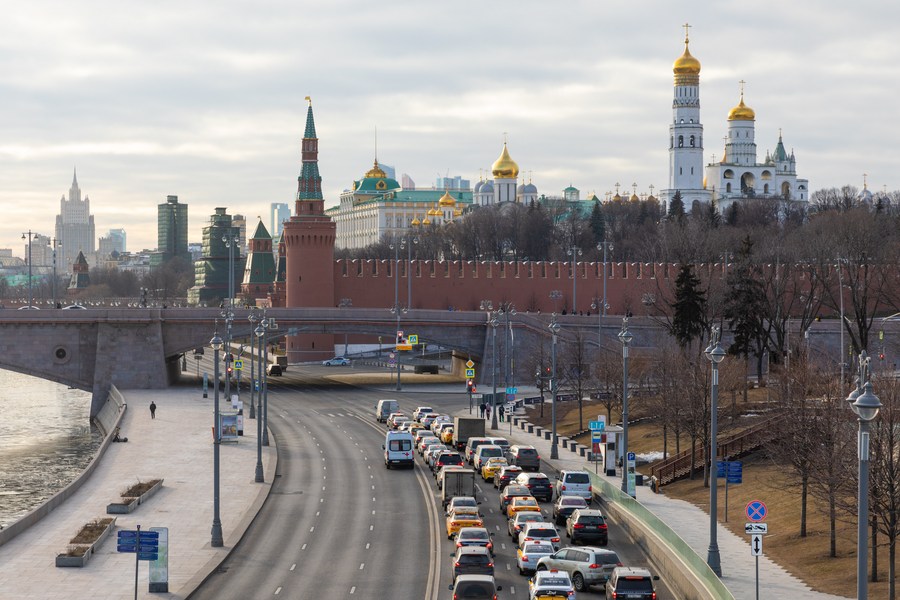
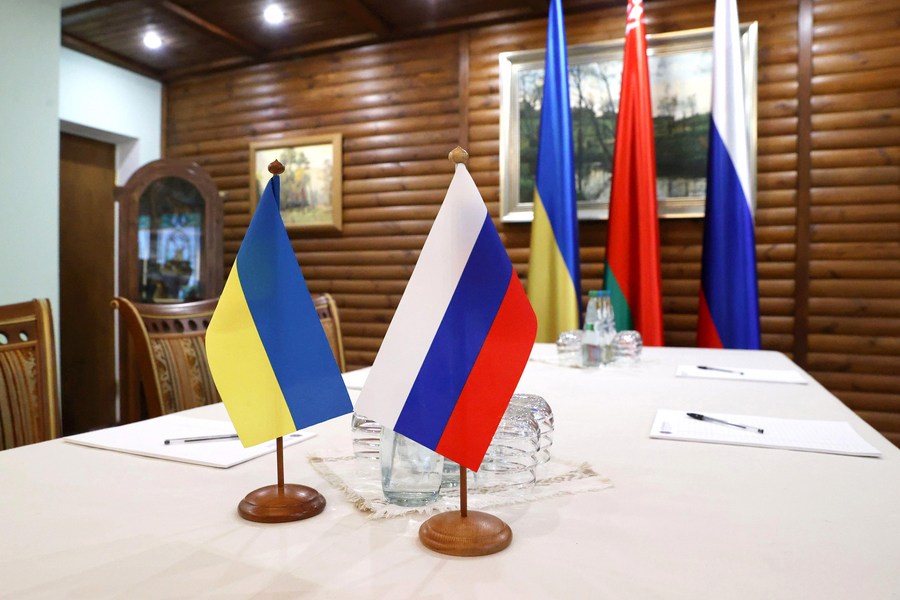
MOSCOW - Russian Foreign Minister Sergei Lavrov said Monday that Moscow prefers to continue its negotiations with Kyiv.
Despite Ukraine's inconsistency and tendency to reject its own proposals, Russia prefers to continue the negotiation process, said the minister during an interview with the Rossiya 24 broadcaster.
The Russian top diplomat further explained that Moscow will be patient and persistent throughout the negotiations, however, will never play a subordinate role in the current world order.
"Russia, with its history ... its traditions, is one of those countries that will never occupy a subordinate position. We can only be members of the international community on equal terms, under conditions (that guarantee) the indivisibility of security," Lavrov said, adding that these principles were agreed upon and then ignored by the West.

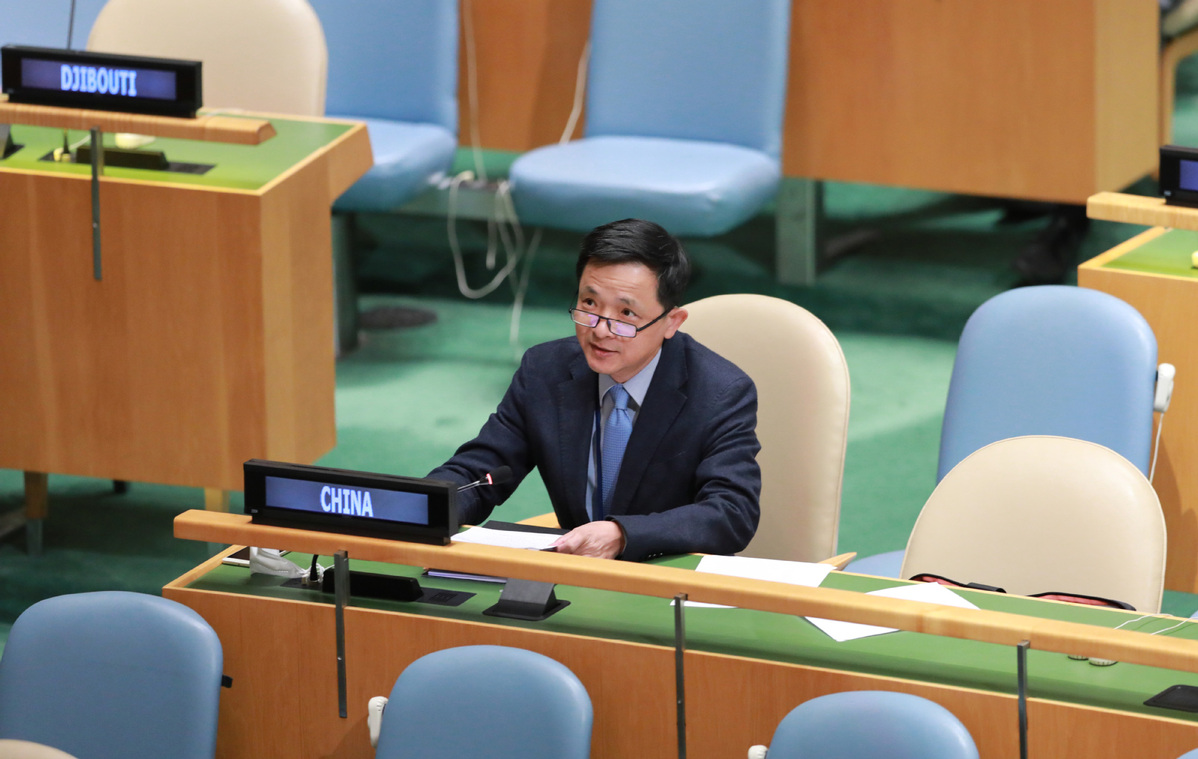
UNITED NATIONS - A Chinese envoy on Monday called for an early end to the conflict in Ukraine in order to fundamentally solve the humanitarian crisis and spare women and children from violence.
Women and children are the most vulnerable to violence, and should be given priority protection in armed conflicts, said Dai Bing, China's deputy permanent representative to the United Nations.
"We call on parties involved in the situation in Ukraine to strictly abide by international humanitarian law, effectively protect women and children, respect and guarantee the civilian nature and safety of facilities such as schools and hospitals, and provide special care to women and children in evacuation, rescue, and medical assistance," he told a Security Council meeting on Ukraine.
China deplores that dozens of civilians, including women and children, were killed or injured in the attack on Kramatorsk train station. The relevant circumstances and specific cause of the incident must be established and verified, and any claim should be based on facts, he said.
A large number of Ukrainian women and children have taken refuge in neighboring countries. China appreciates these neighboring countries and other countries for opening their borders and providing shelter and humanitarian assistance. All refugees, regardless of skin color, race, or religion, should receive equal protection under international refugee law, said Dai.
The humanitarian needs of Ukraine and neighboring countries remain immense. Relevant UN agencies should continue to mobilize and coordinate international support for humanitarian assistance for all those in need. The special needs of women and children should be considered, and targeted medical treatment, psychological counseling, and social services should be provided to them. And children's rights to education should be ensured, he said.
"We are deeply concerned about reports that women and children seeking asylum were subjected to abduction, human trafficking and abuse," he said. "We call on international agencies such as UN Women, the UN Children's Fund, the UN Refugee Agency, and the Office of the High Commissioner for Human Rights to strengthen monitoring and support relevant countries to take measures to resolutely prevent this group of people from being harmed a second time."
Dai stressed the need to bring an end to the conflict.
Only by ending the conflict as soon as possible can the humanitarian crisis in Ukraine be fundamentally solved and can women and children be kept away from violence, he said.
"Dialogue and negotiation are the only way to peace. We support the parties involved to continue negotiations, strive to overcome difficulties and differences, create conditions for a cease-fire, and make positive efforts so that women and children can see the dawn of peace at an early date. All other parties in the international community should do more to facilitate dialogue and negotiations, and create the necessary environments and conditions for progress in the negotiations," he said.
Simply imposing sanctions and sending weapons will not bring peace. The ever-intensifying extensive and indiscriminate sanctions have triggered food and energy crises and soaring prices for necessities, for which the entire world population is paying a heavy price. Tens of millions of women and children in Afghanistan, Yemen, the Horn of Africa, and the Sahel have been hit the hardest, said Dai.
"China once again calls on all parties to exercise restraint, adopt a responsible attitude, and make constructive efforts to properly resolve the crisis in Ukraine and restore peace at an early date," he said.

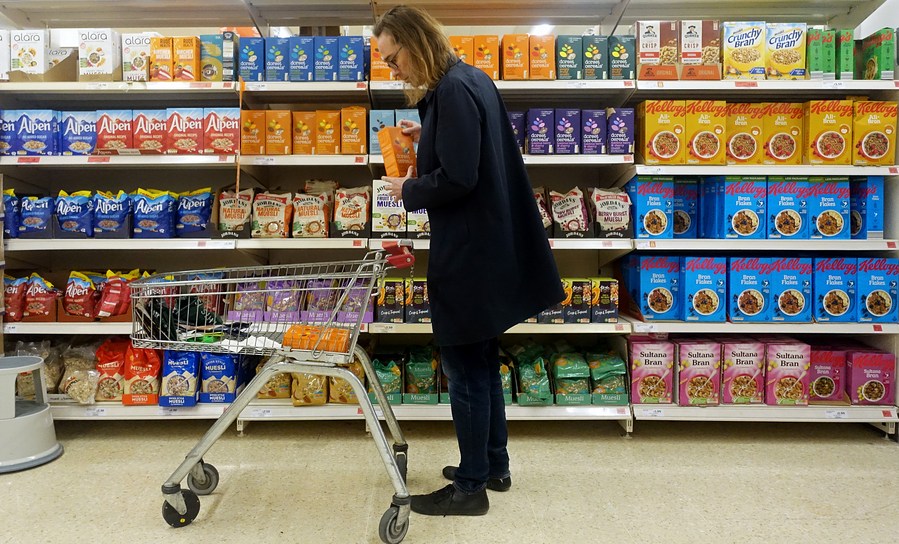
GENEVA - The ongoing conflict between Russia and Ukraine has dealt a severe blow to the global economy, reducing forecasted global trade growth for 2022 from the 4.7 percent predicted last October to between 2.4 percent and 3 percent.
The projection, based on a global economic simulation model, was made by the World Trade Organization (WTO) Secretariat in a note issued on Monday.
According to the same model, the crisis could lower global GDP growth by 0.7-1.3 percentage points, bringing it to somewhere between 3.1 percent and 3.7 percent for 2022.
The conflict has pushed up food and energy prices, and reduced the availability of goods exported by Russia and Ukraine, said the Secretariat note.
Russia and Ukraine are both important suppliers of essential products, notably food and energy, according to the note. The two countries supplied around 25 percent of wheat, 15 percent of barley and 45 percent of sunflower product exports globally in 2019. Russia alone accounted for 9.4 percent of world trade in fuels, including a 20 percent share in natural gas exports.
Russia is one of the main global suppliers of palladium and rhodium, which are crucial elements in the production of catalytic converters for automobiles. Meanwhile, semiconductor production depends to a significant extent on neon supplied by Ukraine. Disruptions to the supply of these materials could hit car producers at a time when the industry is just recovering from a shortage of semiconductors, the WTO highlighted.
Europe, the main destination for both Russian and Ukrainian exports, is likely to experience the brunt of the economic impact. Reduced shipments of grains and other foodstuffs will also inflate prices for agricultural goods.
Africa and the Middle East are the most vulnerable regions, since they import over 50 percent of their cereal needs from Ukraine and/or Russia. In total, 35 countries in Africa import food and 22 import fertilizer from Ukraine, Russia or both.
Some countries in Sub-Saharan Africa are facing potential price hikes of up to 50-85 percent for wheat, as a result of the crisis's impact on grain shipments, the note said.
"The current crisis is likely to exacerbate international food insecurity at a time when food prices are already historically high due to the COVID-19 pandemic and other factors," it warns.

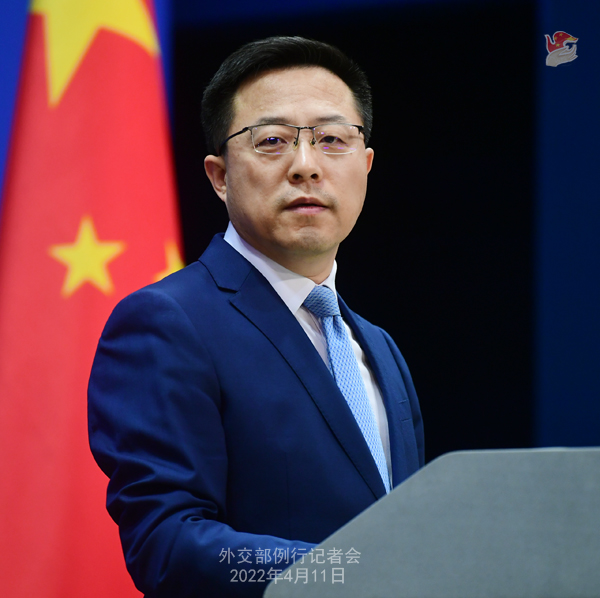
China has urged certain individuals not to repeatedly hype up the so-called territorial issue between Beijing and Moscow, saying on Monday that such rumors have no audience in either country and are doomed to fail.
Foreign Ministry spokesman Zhao Lijian made the remark at a daily news briefing, following the publication of an article titled "China's long game with Russia "by the United States-based news website The Hill, which speculated that China is nurturing a longer-term opportunity by staying close to Russia through the Ukraine crisis.
The article claimed that Russia could then be motivated to "lease or even sell" large parts of the Russian Far East to China.
"The report is a replica of the 'China threat theory', which in essence aims to drive a wedge between China and Russia," Zhao said.
China and Russia made it clear in their extended Treaty of Good-Neighborliness and Friendly Cooperation last year that the boundary issue left over from history has been completely resolved and that neither side has any territorial claim against the other, he added.
In the treaty, the two countries also expressed commitment to building their common border into a bond of long-lasting peace and friendship from generation to generation, Zhao said, adding that China and Russia have always matched their words with their deeds over the past 20 years.
He reiterated that Beijing and Moscow have no intention of forming an exclusive clique, and it's simply impossible to drive a wedge or sow discord between the two countries, adding that China-Russia relations can withstand the tests of changes in the international landscape.
Zhao chastised certain major Western countries for, on the one hand being "busy adding fuel to the fire, constantly creating new differences, while at the same time linking the Ukrainian crisis with Sino-Russian relations in an attempt to achieve their ulterior strategic goals".
"This is not what a responsible major country should do, and we firmly oppose it," he added.
In another development, Zhao disputed claims made against China by North Atlantic Treaty Organization Secretary-General Jens Stoltenberg on the Ukraine issue.
Following a meeting of NATO foreign ministers on Thursday, Stoltenberg claimed that China was unwilling to condemn Russia over the Ukraine issue and announced that NATO's 2030 Strategic Concept would for the first time take account of how China's "growing influence and coercive policies "affect NATO's security.
As a product of the Cold War, NATO has long clung to an obsolete security concept, engaged in bloc confrontation according to the playbook of the old Cold War and reduced itself to some country's tool for hegemony, Zhao said.
China's development is an opportunity for the world rather than a threat to anyone, Zhao said, and he urged NATO to immediately stop making groundless accusations and provocative remarks against China and refrain from drawing lines according to ideological differences.

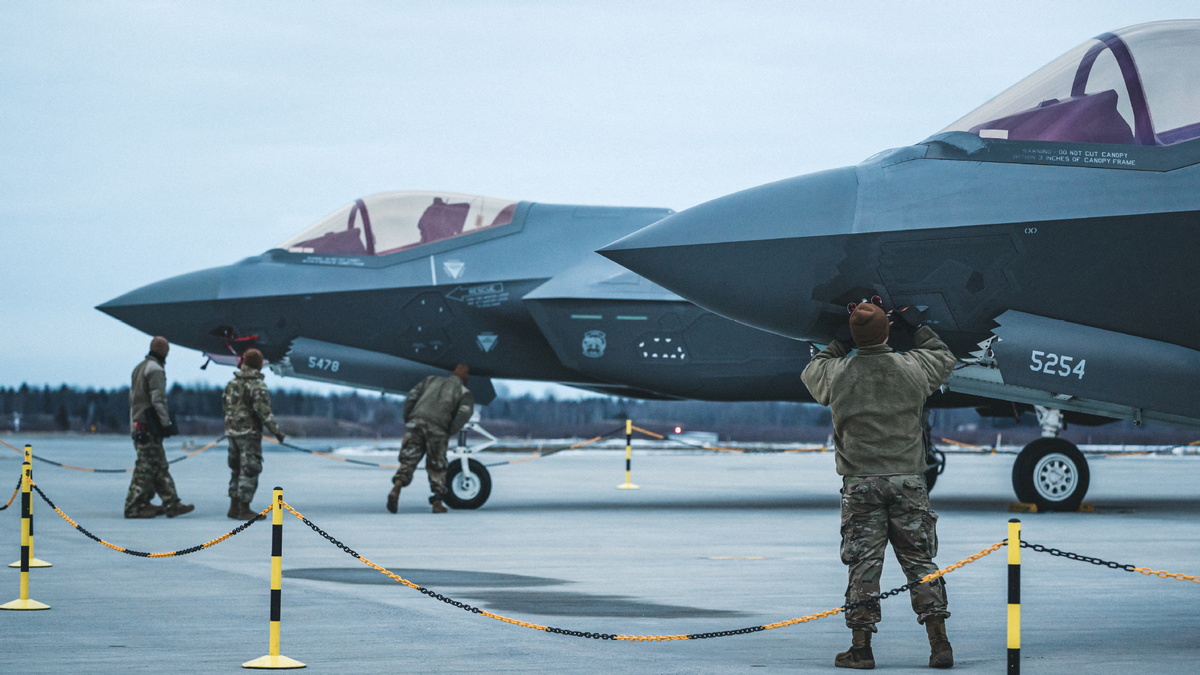
A new arms race has emerged in many parts of the world, triggered largely by the Russia-Ukraine conflict.
In Washington, the US State Department announced on April 1 that it has approved a potential sale of up to eight F-16 fighter jets and related equipment to Bulgaria in a deal valued at $1.67 billion.
The principal contractor will be Lockheed Martin, according to the Pentagon. Reuters reported the aircraft would not be ready for delivery for three to four years.
Lockheed Martin is also Canada's preferred bidder to supply 88 new fighter jets, Canadian Procurement Minister Filomena Tassi said on March 28.
"This announcement marks another important milestone in Canada's competitive process to purchase modern fighter jets for the Royal Canadian Air Force," she said.
Canada has been trying unsuccessfully for more than a decade to replace its aging F-18 fighters. In 2010, the former Conservative administration said that it would buy 65 F-35 jets but later scrapped the decision, triggering years of delays and reviews, according to Reuters.
Ottawa hopes to award the contract this year and said it could be worth up to $15.1 billion. It hopes to take the first deliveries in 2025.
The United Kingdom will work with the United States and Australia on developing nuclear-capable hypersonic weapons, after Russia used the Kinzhal hypersonic missiles in airstrikes last month in its special military operation in Ukraine, The Guardian newspaper reported from London.
The US tested its hypersonic missile last month, and it is already collaborating on the weapon with Australia. The two countries are affiliated with the UK through the AUKUS security pact.
Rising defense spending
Some European nations are also set to boost their air defense capabilities.
Estonia has approved a $523 million defense spending increase, most of which is for short-to midrange air defense systems, which it aims to acquire no later than 2025, according to Defense News in the US.
The Finnish Air Force will replace its 57 F-18 Hornet front-line fighters purchased from McDonnell Douglas in 1992 with the F-35 fighter jets. It plans to phase out all existing Hornets by 2030, and expects to take delivery of the first F-35 jets in 2026, according to Defense News.
European governments have said they would make billions of euros available in additional defense spending after Russia began its special military operation in Ukraine.
Germany has announced an additional $110 billion in arms spending over five to 10 years, and the Italian Parliament backed a vote to increase its defense spending to 2 percent of its gross domestic product, Defense News reported.
The European Union has approved its Strategic Compass document, which calls for a new 5,000-strong rapid reaction force and "further incentives for member states to engage in collaborative capability development".
In an interview with AFP, Siemon Wezeman, who has co-authored the Stockholm International Peace Research Institute's annual report for over 30 years, referred to Europe as "the new hot spot".
Europe's share of the global arms trade has already risen from 10 to 13 percent in the past five years, and it will increase "substantially", Wezeman said.
In China, Foreign Ministry spokesman Zhao Lijian said at a news conference on Wednesday that AUKUS-exploiting the Ukraine crisis and using the pretext of maintaining security and stability in the Asia-Pacific-declared in a high-profile manner that the US and the UK will provide nuclear-powered submarines to Australia and that the three countries will cooperate on advanced military technologies such as hypersonic weapons.
This development not only increases the risk of nuclear proliferation, but also intensifies the arms race and undermines peace and stability in the Asia-Pacific, he said.
Zhao said that AUKUS is an Anglo-Saxon clique, where the old thinking of Cold War mentality and bloc politics persists and the old trick of provoking military confrontation and adding fuel to the fire lingers. Its ultimate goal is to build a NATO replica in the Asia-Pacific to serve the US hegemony and self-interests.
In an article published on March 9 by The Conversation, Peter Bloom, a professor at the University of Essex, called for exploring ways of limiting the power and influence of the defense industry in the aftermath of the Ukraine crisis.
"This could include international agreements to limit the sale of specific weapons, multilateral support for countries that commit to reducing their defense industry, and sanctioning arms companies that appear to be lobbying for increased military spending," he wrote.
Long-lasting peace is impossible without eliminating as much as possible the manufacturing and sale of weapons as a lucrative industry, Bloom said.
Zhang Hong, a research fellow of Russian, East European and Central Asian Studies at the Chinese Academy of Social Sciences, said the US and NATO raise and play up anxieties about security. Their true aims are encouraging some Asia-Pacific countries to accept or ask for "more reliable security protection" from the US. As a result, more-lethal weapons could be deployed in these countries, Zhang said.
AGENCIES-CHINA DAILY

What role should China play in the Russia-Ukraine conflict? Will the world order shift after this crisis? Victor Gao, Vice-president of Center for China and Globalization, shares his insight at #StraightTalk.

British Prime Minister Boris Johnson pledged on Saturday to provide more economic and military assistance to Kyiv after meeting with Ukrainian President Volodymyr Zelensky.
Johnson pledged 120 armored vehicles and new anti-ship missile systems as well as an additional $500 million in the World Bank lending to Ukraine, according to a Downing Street statement.
At a news conference after their talks, Zelensky said he informed Johnson about the progress of Ukraine's peace talks with Russia and expects London to play a "key role" in providing "security guarantees" for Ukraine.
While several other leaders have visited Ukraine in recent weeks, the meeting between Zelensky and Austrian Chancellor Karl Nehammer, also on Saturday, was significant given Austria's neutral status, which is enshrined in its Constitution.
After the meeting, Nehammer said he expects more EU sanctions against Russia, even as he defended his country's opposition to cutting off deliveries of Russian natural gas.
Meanwhile, Russia and Ukraine conducted their third prisoner exchange on Saturday involving dozens of personnel from both sides.
Ukrainian Deputy Prime Minister Iryna Vereshchuk said 12 Ukrainian soldiers and 14 civilians, including nine women, were returning home under the exchange.
Russian human rights commissioner Tatiana Moskalkova said 14 Russian sailors were returning home on Saturday. "Thanks to the coordinated actions of Russian military staff, 14 sailors from the Azov Concord civilian vessel have been released and are being evacuated to a safe space," Moskalkova said.
She claimed that since the start of Russia's "special military operation" on Feb 24, Ukraine had been "holding the crew of the ship in the port of Mariupol, where the exit to the sea was mined". Mariupol, a key port on the Azov Sea, has suffered widespread destruction and a high death toll since the conflict began.
Two other exchanges of soldiers and civilians have taken place during the conflict.
Fresh satellite images released on Sunday by US private space technology company Maxar Technologies show a 13-kilometer military convoy moving south through the eastern Ukraine town of Velkyi Burluk. The town sits to the east of Kharkiv, close to Ukraine's border with Russia.
Ukrainian officials said major fighting is underway in the east of the country, with heavy shelling reported throughout the Donbass region, ahead of what they are warning may be a major Russian offensive.
Russian President Vladimir Putin has appointed Army General Alexander Dvornikov, 60, as the new general to direct the military operation in Ukraine. The commander of Russia's Southern Military District, he was the first commander of Russia's military operations in Syria in 2015.
NATO Secretary-General Jens Stoltenberg said the bloc is working on plans for a permanent military presence on its borders with Russia.
In the meantime, European Union countries sharing borders with Russia and Belarus barred some cargo vehicles registered in the two countries from entering starting on Friday due to sanctions, the Russian customs service said on Saturday.
Agencies contributed to the story.

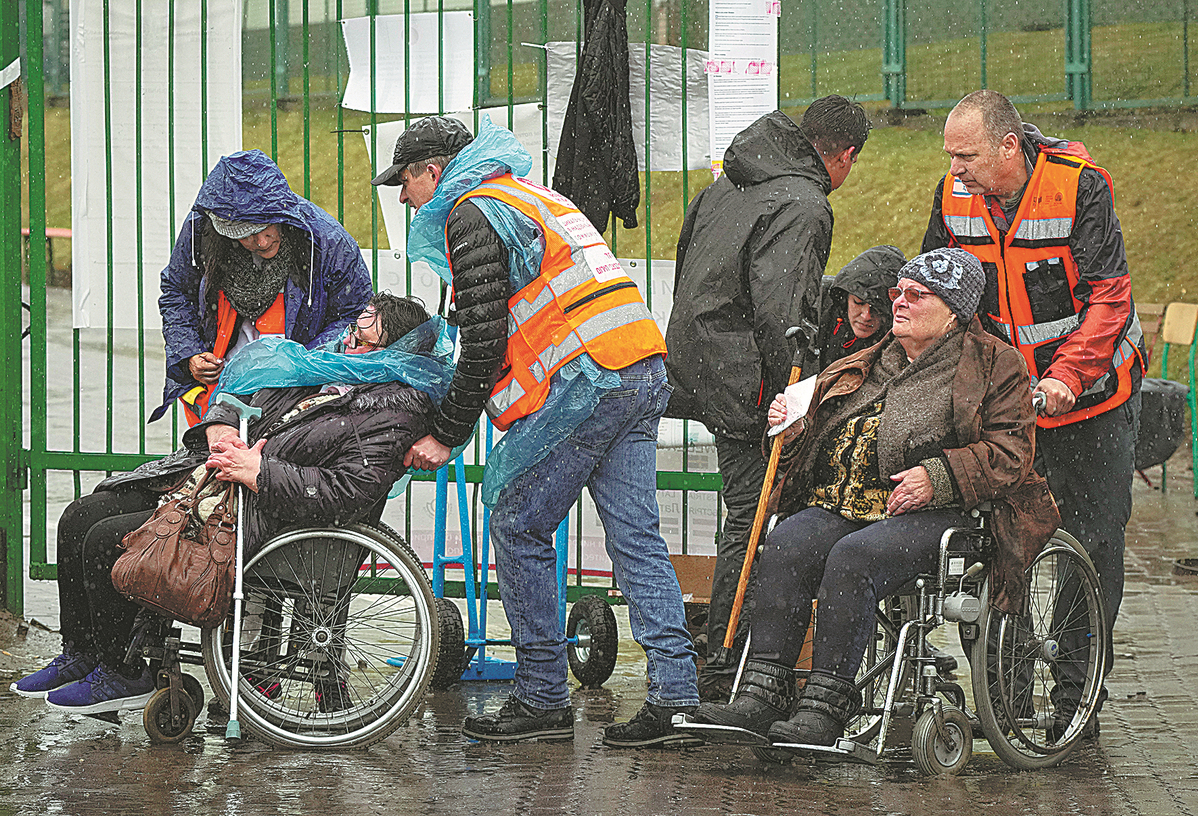
Amid refugee crisis, Beijing slams using smaller nations as pawns in confrontation
Editor's Note: China Daily presents a series of analyses to make readers around the world better understand the how and why behind China's views and decisions on the Ukraine situation. This is the fourth installment of the series.
Although many politicians in Washington have avoided describing the Ukraine crisis as a de facto proxy war, Leon Panetta, the former US secretary of defense during the administration of president Barack Obama, recently did not hold back: "I think we are engaged in a conflict here. It's a proxy war with Russia, whether we say so or not. That, effectively, is what's going on.
"And for that reason, we've got to make sure we are providing as much weaponry as possible," he told Bloomberg TV in an interview on March 18.
Amid the crisis, Beijing has publicly lashed out at Washington and its NATO allies for fueling a proxy war by offering weapons, missiles and fighter jets to Ukraine and stoking tension.
Behind China's decadeslong opposition to proxy wars is the belief that such a typical Cold War era tool seriously sabotages a country's autonomy, officials and scholars said.
Proxy wars were typical during the Cold War to help avoid direct warfare between the US and the former Soviet Union, and a smaller nation grilled on the forefront of conflicts is always the biggest loser with refugee crises soaring, they added.
"A proxy war, like color revolution, serves to shore up a potential new Cold War and brings only turmoil and suffering to a region," said Zuo Xiying, a professor at the School of International Studies of Renmin University of China.
Washington decided to wage a proxy war in Ukraine partly because its plan to intimidate Russia by reinforcing military deployment in Eastern Europe countries actually had failed, Zuo said.
"History shows that a smaller nation-chosen as a proxy and caught between two major countries-is always going to be the one suffering the largest damage from conflicts," Zuo said.
Before the Ukraine crisis broke out, the US and some of its NATO allies had publicly encouraged Ukraine to join NATO, started providing weaponry to the country and fanned the current tension, analysts said.
A fact sheet released by the US Department of Defense on Thursday said "the security assistance the Biden Administration is providing to Ukraine is enabling critical success on the battlefield".
The release incorporates a long list of US military aid committed to Ukraine, including over 1,400 Stinger anti-aircraft systems and over 50 million rounds of ammunition.
Ukraine's fall from a central gateway of the Eurasian region to the forefront of major countries' conflict was prompted by a string of factors, "but it is undoubtable that the only major factor is the external forces' reaching their hands too far", said Cui Hongjian, director of the European studies department at the China Institute of International Studies.
"When the US determined to manipulate Ukraine as a pawn for geopolitical confrontation with Russia, it was no longer possible for Ukraine to maintain its balance in diplomacy," Cui added.
Vice-Foreign Minister Le Yucheng has criticized "some major countries" because they do not want to get dragged into conflicts and "make empty promises to small countries, turn small countries into their pawn and even use them to fight proxy wars".
"A NATO commitment of no eastward expansion could have easily ended the crisis and stopped the suffering. Instead, (they) chose to fan the flames at a safe distance," Le said in an address at a symposium on March 19.
Speaking of the refugee crisis, the G7 foreign ministers said in a joint statement on Thursday that "over 4.2 million crossed the border to other countries, almost all of them to the EU and the Republic of Moldova".
"Now that Ukraine has suffered as a proxy, the US and NATO will be even more deplorable and immoral if they continue offering weaponry to Ukraine and make the nation suffer at the forefront for any longer," said Wu Xinbo, dean of the Institute of International Studies at Fudan University.
Washington and NATO are the initiators of this crisis, and its resolution requires their engagement with Russia, not scorching Ukraine, Wu said.
'Extremely worried'
Anatol Lieven, a senior research fellow at the Quincy Institute for Responsible Statecraft, a US think tank, and a former foreign affairs correspondent, said he is "extremely worried" about the proxy war that disregards "the number of Ukrainian lives-like Afghan lives in the past-that were thrown away in the course of this struggle".
"It's quite clear that there are elements in both Washington and London who do want to use this as Afghanistan was used in order to weaken Russia eventually," he said in an MSNBC television broadcast on March 24.
In sharp contrast to the US, China's consistent objection to waging proxy wars stems from its decades-old core diplomatic belief of 'no intervention in other country's internal affairs', not to mention allowing other countries to meddle in China's domestic affairs, observers said.
"More than 30 years after the end of the Cold War, such a geopolitical tragedy taking place in Europe now deserves our profound reflection," Zhang Jun, China's permanent representative to the United Nations, said at a UN Security Council briefing on Ukraine on Tuesday.
"Small and medium-sized countries should not be pushed to the forefront of confrontation between great powers. All countries have the right to decide their foreign policy independently, and should not be forced to take sides," he said.
China has never engaged in proxy wars nor sought the so-called spheres of influence, and it opposes power politics and bloc confrontation, State Councilor and Foreign Minister Wang Yi told Gambian Foreign Minister Mamadou Tangara in Islamabad, Pakistan, on March 23.
China stands for equality among all countries regardless of their size, and it advocates democratization of international relations, Wang added.
"Another reason behind Beijing's high alert against Washington's frequently waging proxy wars worldwide is that a potential proxy war is what some hawkish individuals and groups back in the US are expecting to take place in China's neighborhood," said Yuan Zheng, deputy director of the Institute of American Studies of the Chinese Academy of Social Sciences.
Choosing Ukraine as a proxy to receive massive military assistance and stoking conflict with another major country are not new tactics, as the US and some of its NATO allies have been doing similar things in the Asia-Pacific region as well, Yuan said.
"Washington has not given up any chance to motivate its allies in this region to confront and contain China, as it keeps sending military consultants, helping to train their troops, deploying missile systems and speaking out loud on issues involving China's core interests," Yuan said.


KYIV - The conflict between Russia and Ukraine, the world's major exporters of foodstuffs such as wheat, will impact 25 percent of the global grain market, a Ukrainian official said Saturday.
The conflict will lead to a reduction in grain supplies, an increase in food prices, and worse access to food, especially wheat, in importing countries, said Taras Kachka, deputy minister for economic development, trade and agriculture of Ukraine.
Ukrainian seaports, the main routes for grain exports, have been blocked, Kachka added.
In 2021, Ukraine harvested a record crop of grain, legumes and oilseeds totaling more than 106 million tons, according to the state-run Ukrinform news agency. In the first half of the current marketing year, which lasts from July 2021 to June 2022, Ukraine exported some $10 billion worth of crops and oilseeds, up 56 percent on an annual basis.
The ongoing conflict, which came at a time when economies worldwide are still grappling with COVID-19, posed a new challenge to global food security, said Boubaker Ben-Belhassen, director of the trade and markets division of the Food and Agriculture Organization of the United Nations.
"Many countries rely on supplies from Ukraine and Russia for their food import needs, including numerous least developed countries and low-income food-deficit countries," Ben-Belhassen told Xinhua in a recent interview.
Russia and Ukraine are major agricultural producers and exporters, he said, adding that Russia stood as the world's top exporter of nitrogen fertilizers, the second leading supplier of potassium fertilizers and the third largest exporter of phosphorous fertilizers in 2021.

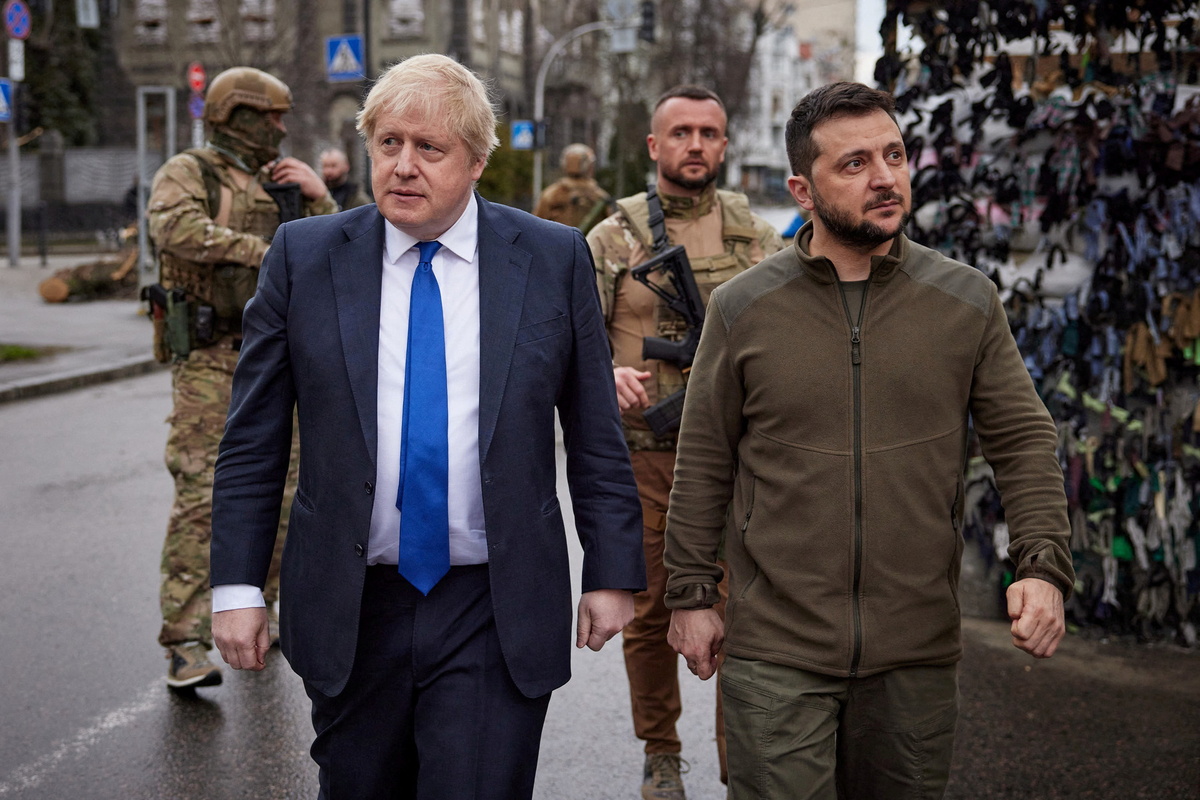
KYIV -- British Prime Minister Boris Johnson on Saturday vowed to provide more economic and military assistance to Kyiv amid the Ukraine-Russia conflict after meeting with Ukrainian President Volodymyr Zelensky.
Johnson arrived in Kyiv earlier on Saturday for a one-day visit.
According to a Downing Street statement, Johnson set out new military assistance of 120 armored vehicles and new anti-ship missile systems to Ukraine during his trip. He also promised an additional $500 million in World Bank lending to Ukraine.
At the press conference after their talks, Zelensky said that he has informed Johnson about the progress of Ukraine's peace talks with Russia and expects London to play a "key role" in providing "security guarantees" for Ukraine.

BUDAPEST -- Payment in rubles for Russian gas is not a violation of European Union sanctions, Hungarian government spokesperson Zoltan Kovacs said on Saturday.
"The EU so far has no common procurement of gas and oil for European countries. So as we speak, we still go by alongside those contracts we have with Russians regarding gas and oil, and according to those contracts, it is a technical issue, in what currency we have to pay," Kovacs said in an interview with CNN, which was posted on his Twitter page.
Kovacs said more than 80 percent of the Hungarian population and the country's economy are dependent on Russian gas, with no physical alternatives.
Kovacs made the remarks in response to a statement by European Commission President Ursula von der Leyen, who said Friday that such a move was a violation of EU sanctions aimed against Russia.
Earlier this week, Hungarian Prime Minister Viktor Orban said that his country would be willing to pay for Russian gas in rubles after Russian President Vladimir Putin signed a decree stipulating that "unfriendly countries" would be required to pay for gas in the Russian currency.
The EU was in discussions with Budapest about the currency issue, according to von der Leyen.

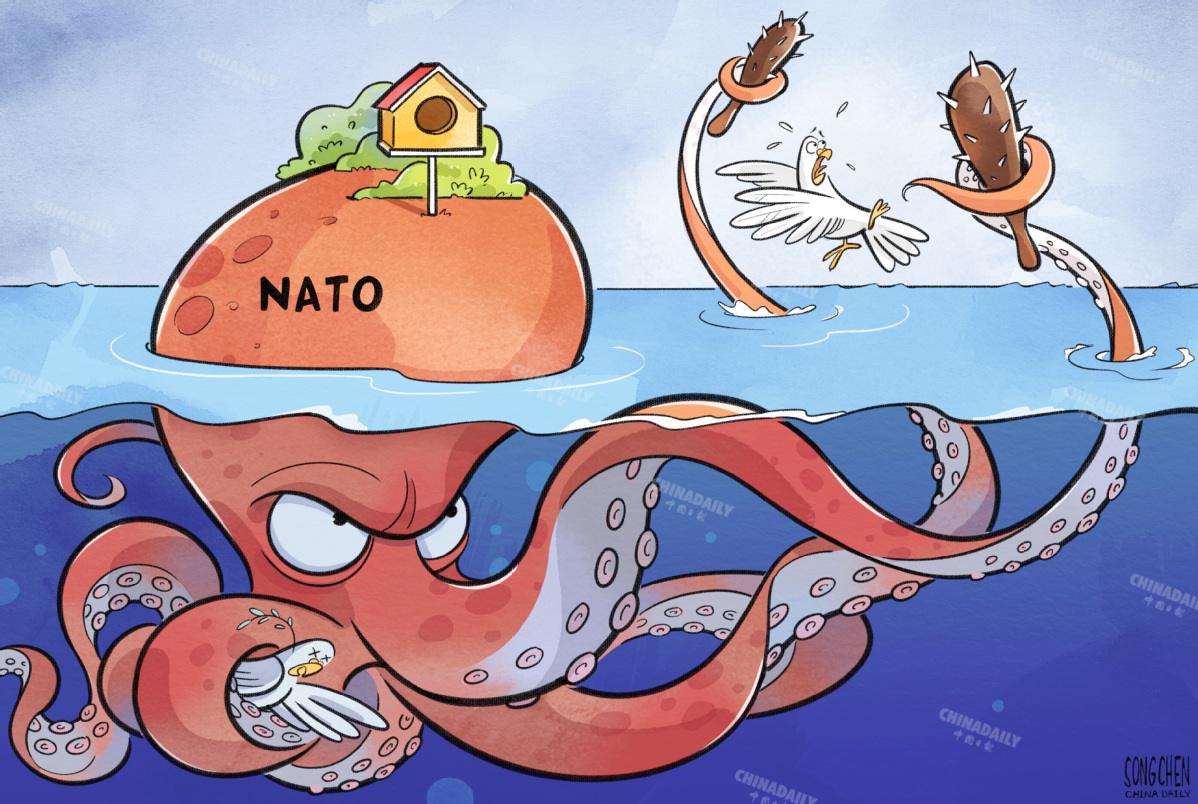
NATO is still trapped in a "diode mentality", namely seeing the world in only two extremes, either for them or against them. Concerning the Ukraine crisis, they not only take Russia as the enemy, but also take any nation that does not stand with them as one.
And they are still in the old, harmful habit of imposing their own values upon others. They want every nation in the world to follow their steps like they follow the US, which will only result in a unipolar or bipolar world, like the Cold War era. As a creation of the Cold War, NATO is full of mentality of the 1960s and shows no hint of walking out of it.

"We have seen that China is unwilling to condemn Russia's aggression, and Beijing has joined Moscow in questioning the right of nations to choose their own path," said NATO Secretary General Jens Stoltenberg after a meeting on April 7. He also called it "a serious challenge to us all".
Would anybody please tell Stoltenberg that by saying so he is questioning the very right of China to choose its own path? China is neither a member of NATO nor of the Western alliance in any sense of the word, and it has the right to say words and take actions according to its own national interests in international affairs.
So why force China to join the West in condemning Russia? Why should China follow the path of NATO and Western nations on the issue?
The words of Stoltenberg expose that he and his organization are still trapped in a "diode mentality", namely seeing the world in only two extremes, either for them or against them. Concerning the Ukraine crisis, they not only take Russia as the enemy, but also take any nation that does not stand with them as one.
And they are still in the old, harmful habit of imposing their own values upon others. They want every nation in the world to follow their steps like they follow the US, which will only result in a unipolar or bipolar world, like the Cold War era. As a creation of the Cold War, NATO is full of mentality of the 1960s and shows no hint of walking out of it.
It is under the guidance of that very mentality that NATO continued expanding eastward and turned Russia from an imaginary enemy into a real one. It is time they avoided repeating that mistake and turning more nations with different thinking into enemies.
By pointing his fingers at China, Stoltenberg is trying to shrug off the responsibilities of his organization instead of finding a solution to it. Unable or unwilling to extinguish the flames of war in Ukraine, he passed the buck to China to avoid letting the world see his failures, but everybody knows that it is NATO's expansion eastward that worsened the geopolitical sphere of Russia and Ukraine and led to the military conflict.
He that tied the knot is the best person to untie it. Time for Stoltenberg and the NATO to stop blaming China for their wrongs, and join China's call for the two sides to come back to the negotiation table.
So that peace can come back to Ukraine and the refugees could go back home early.
Follow the writer on Twitter: @zzxang86

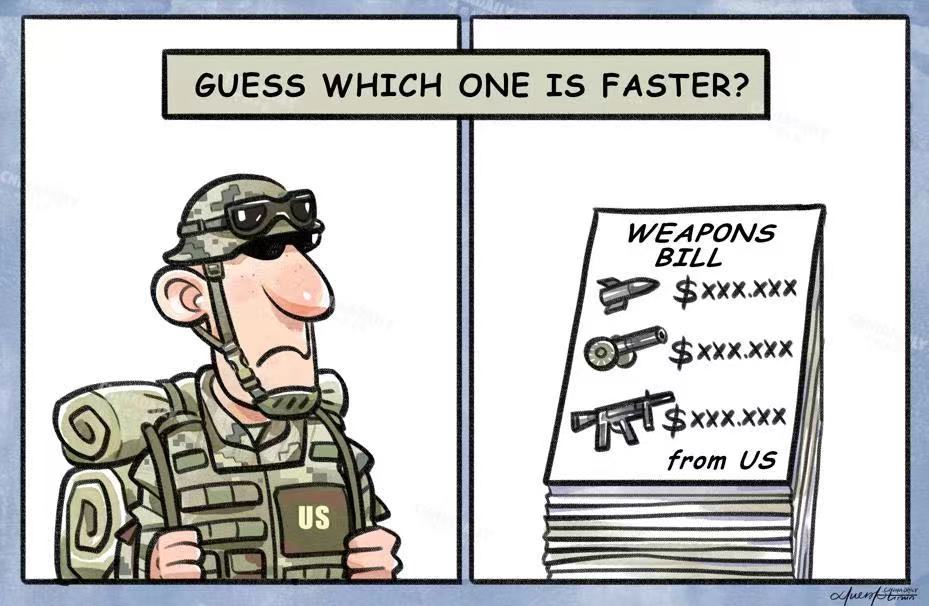
The Russia-Ukraine conflict is still going on, with innumerable families suffering. However, on the other side of the Earth, some people are counting their bloody money.
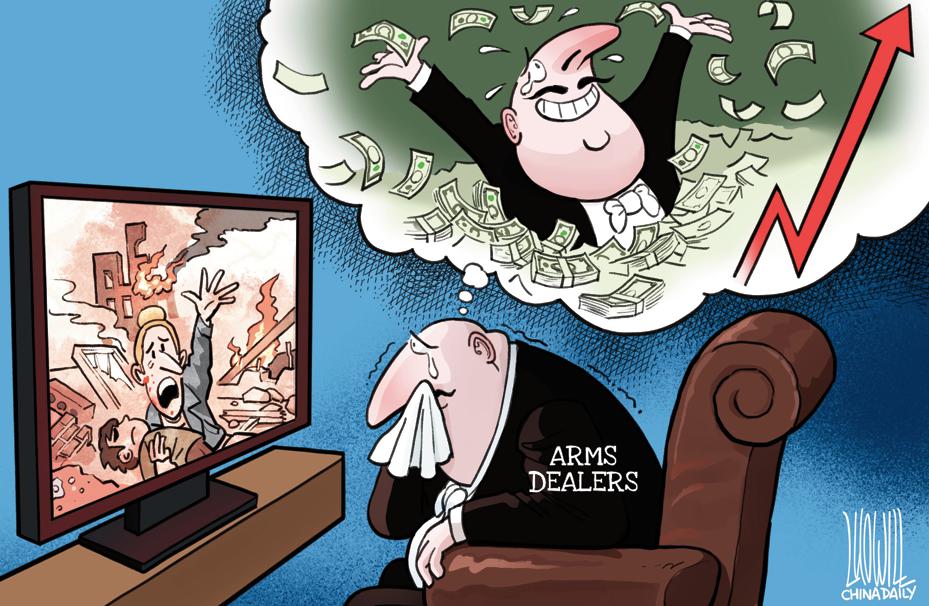
They are the US arms dealers and those in the US military-industrial complex. These US parasites suck blood globally.
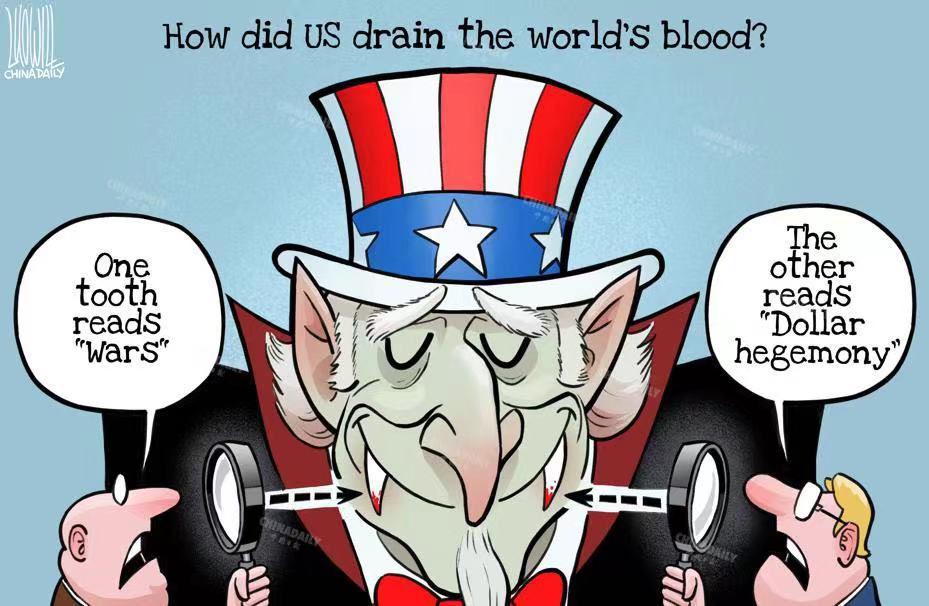
Wherever there is a conflict, there are their weapons.
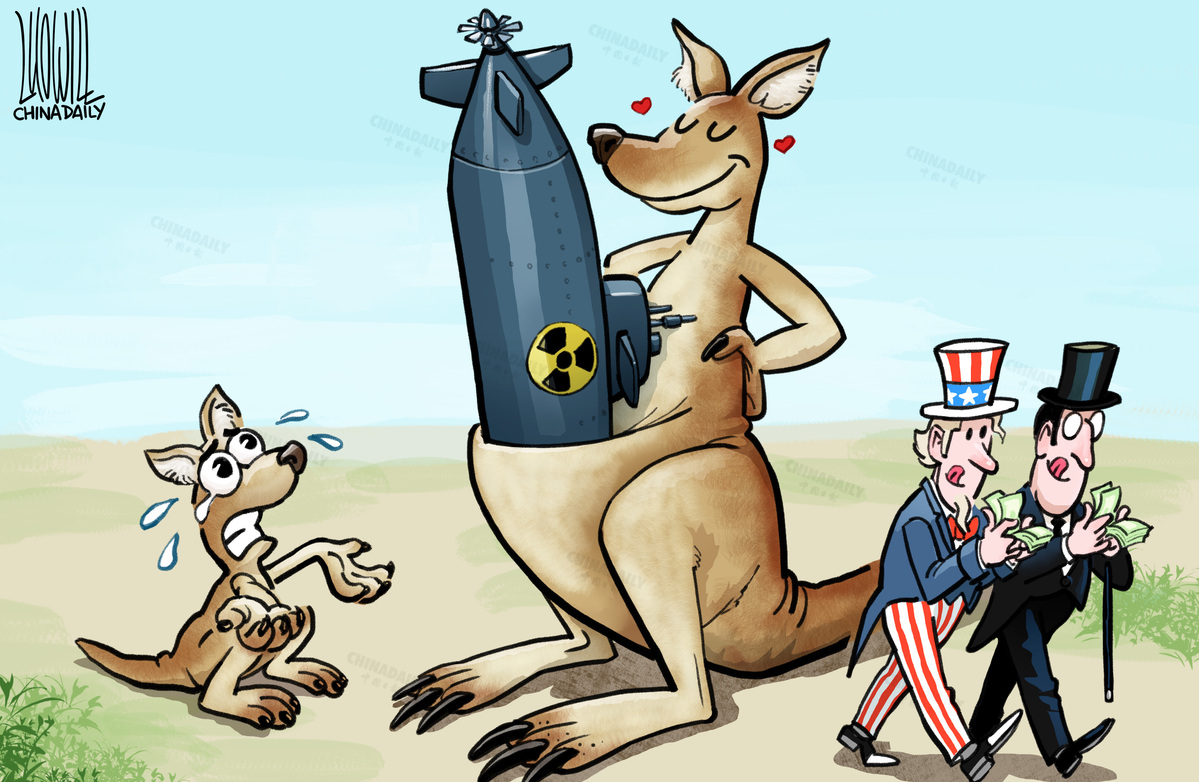
They have sold nuclear submarine technology to Australia threatening regional peace;
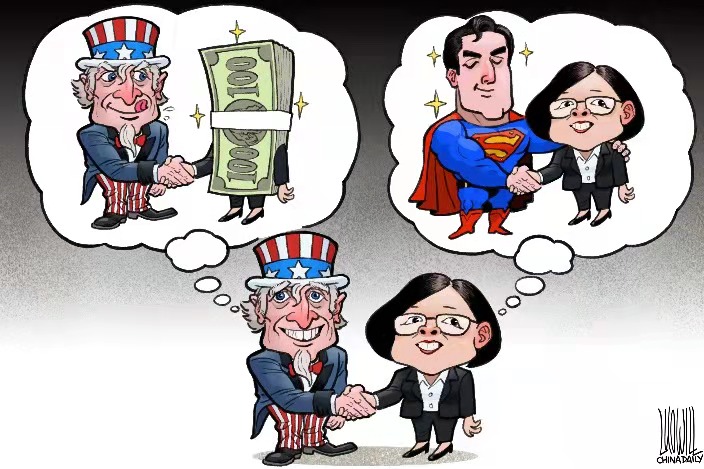
They sell weapons to Taiwan to try and prevent China's reunification;
They sell weapons to the Middle East, making things even messier.
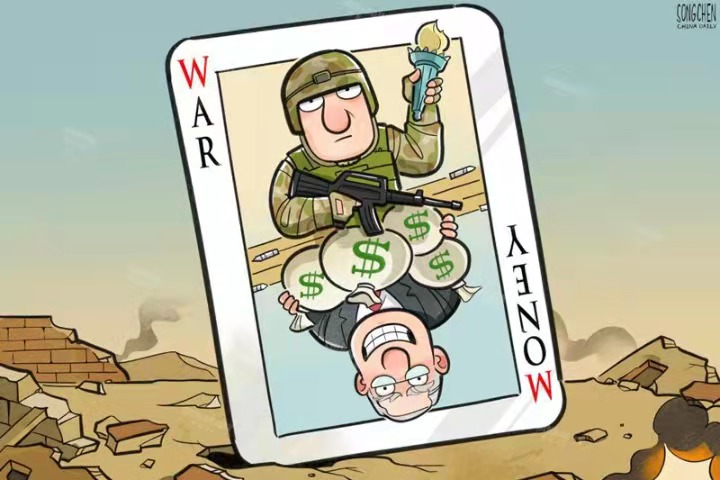
They even sell rifles to US people, who face the risk of being shot every day.
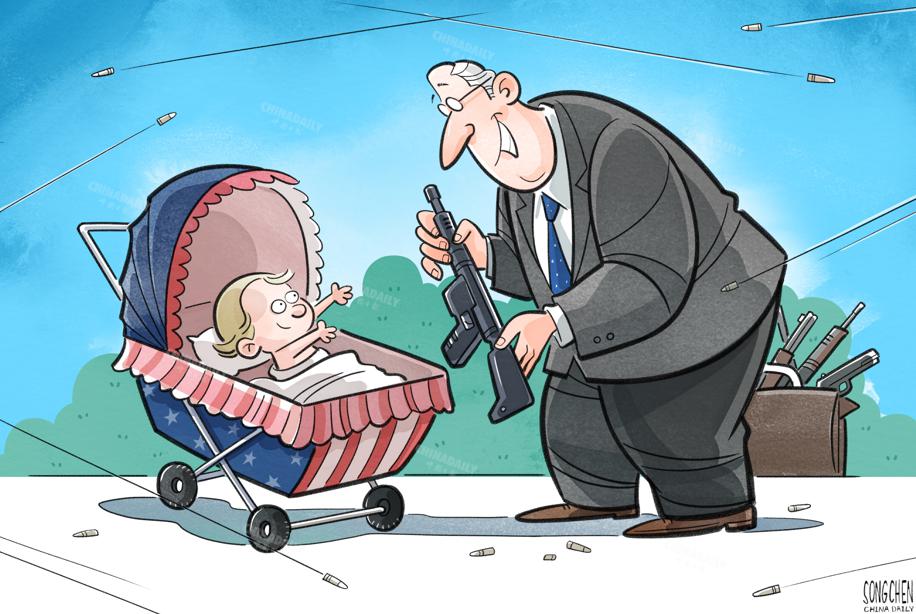
They make money, and the people of the world pay the price.
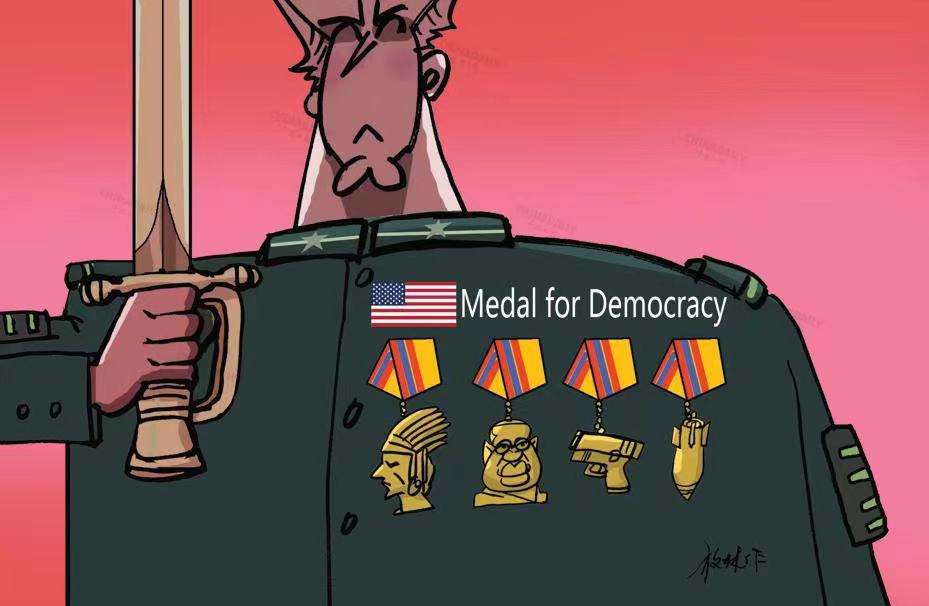
Ironically, it is the same US that calls for "peace and human rights".
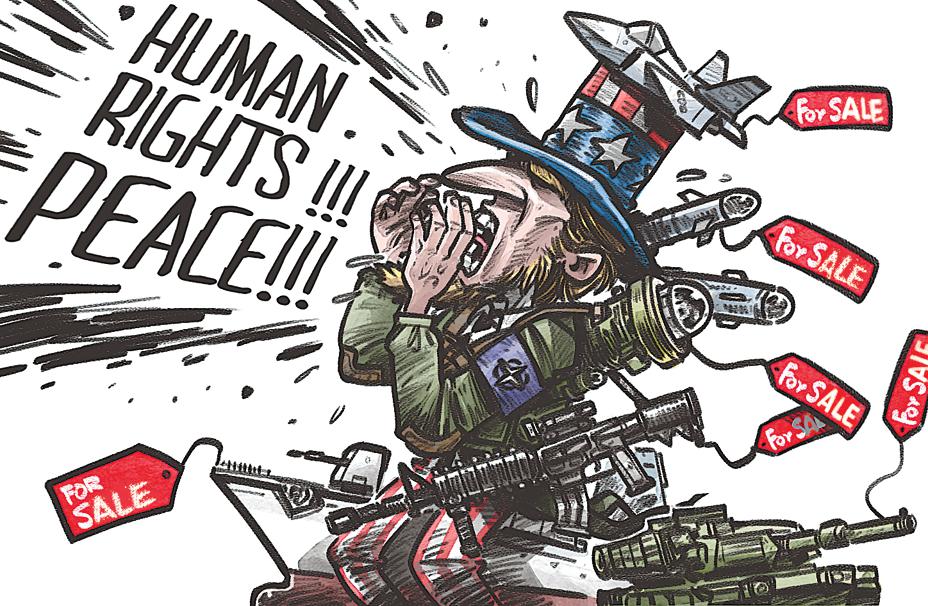
Time to refute their lies so that the world knows the truth.


Though ban months away, agreement in bloc harder to reach on oil and gas
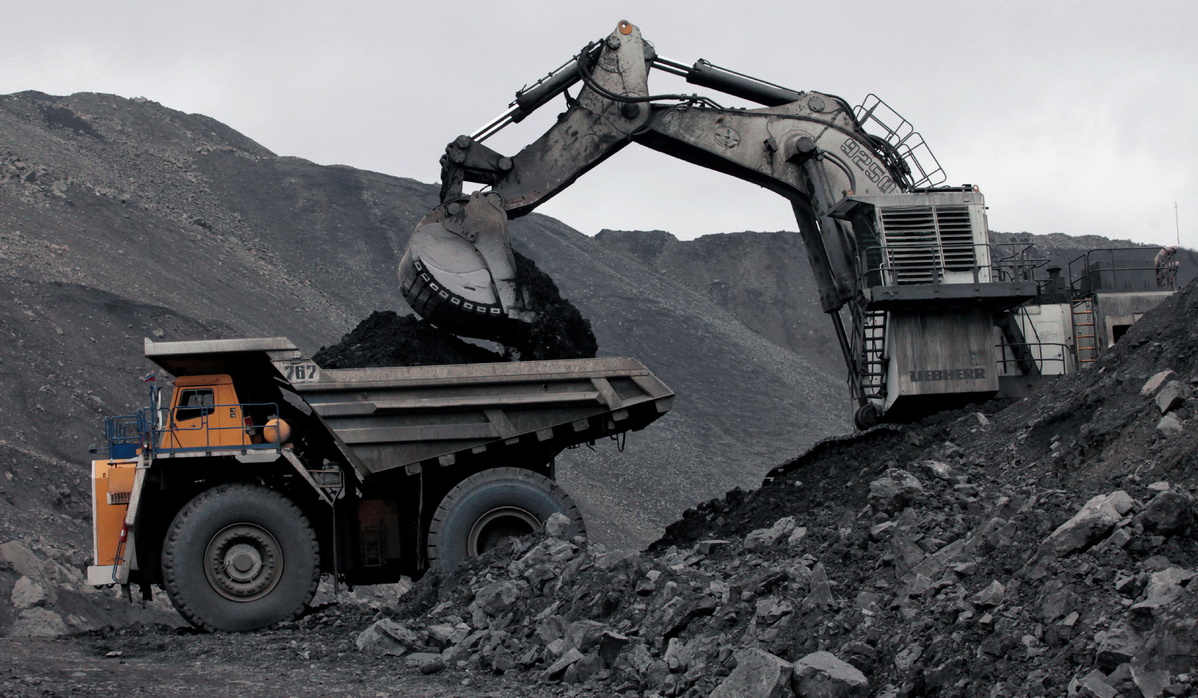
The European Union's 27 member states on Thursday approved a ban on Russian coal imports, but not starting till August, as part of the bloc's fifth round of sanctions over Russia's alleged "heinous crimes" in Ukraine.
The latest round of sanctions was agreed upon by the EU's Committee of Permanent Representatives, the French presidency of the Council of the European Union said in a tweet late on Thursday. France holds the presidency of the Council of the EU for the first six months of this year.
The sanctions were first proposed by European Commission President Ursula von der Leyen on Tuesday following the alleged killing by Russian troops of civilians in villages and towns outside Kyiv. Russia has denied the accusation and said those scenes were staged by Ukrainian special services.
The commission had initially proposed a period of three months for ending the existing coal contracts with Russia, but that was extended to four months, mainly due to the pressure from Germany and some other member states that are the main importers of Russian coal.
Besides an embargo on Russian coal imports valued at 4 billion euros ($4.34 billion) a year, the new sanctions include the freezing of assets of several Russian banks as well as a ban on exports to Russia, including high-tech goods in trade worth up to 10 billion euros and the closure of EU ports to Russian-flagged ships.
"This very substantial package extends the sanctions against Russia to new areas and provides in particular, sanctions against oligarchs, Russian propaganda actors, members of the security and military apparatus and entities in the industrial and technological sector linked to Russian aggression against Ukraine," said the French presidency of the Council of the EU.
Coal accounts for a small share of the roughly 99 billion euros that the EU spent on Russian mineral fuels in 2021.
During a debate in the European Parliament, European Council President Charles Michel said sanctions on Russian oil and gas are likely to be needed eventually.
"We must close the loopholes. We must target any attempt to circumvent sanctions and we are ready to move quickly," he said.
The European Parliament in a resolution adopted on Thursday calls for additional punitive measures on Russia including "an immediate full embargo on Russian imports of oil, coal, nuclear fuel and gas".
Hungary has said that it would block any EU effort to extend sanctions to Russian oil and gas.
France has supported a ban on oil and gas but indicated that it should wait for an EU-wide consensus.
"We, the French, (are) ready for a ban on the import of not only coal, which is on the table today, but also of Russian oil. Russia's most important energy revenue comes from oil,"French Economy Minister Bruno Le Maire told France Info on Thursday.
But he added that building an EU-wide consensus on that measure could take time, and that it would make little sense to implement an oil ban at the national level.
Germany, which heavily depends on Russia for its energy sources, has warned that a ban on oil and gas could spark an economic recession.
Meanwhile, von der Leyen and the EU's chief diplomat Josep Borrell arrived in Kyiv on Friday for talks with Ukrainian President Volodymyr Zelensky.
Traveling by train from Brussels, von der Leyen told reporters the most important message she was bringing to Zelensky was that there "will be the EU path" for Ukraine.
"Usually it takes years before the EU council accepts application for membership but Ukraine did that in a week or two and I ask to move forward as soon as possible," she said.
Borrell announced during the visit that the bloc has returned its ambassador to Kyiv.
They were to meet with Zelensky before attending an event for Ukraine in Warsaw on Saturday.
Agencies contributed to the story.

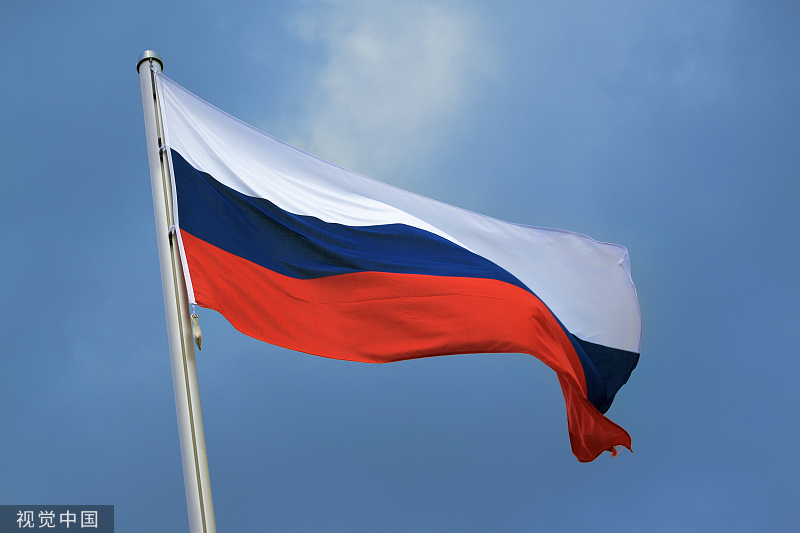
The United Nations General Assembly on Thursday adopted a resolution to suspend the membership rights of Russia on the UN Human Rights Council.
The resolution was approved with two-thirds of the eligible members voting in favor in the US-led push, which garnered 93 votes in favor, 24 against and 58 abstentions.
China voted against the resolution.
The resolution will deprive a country of its legitimate membership in the Human Rights Council, said Zhang Jun, China's permanent representative to the UN.
"Such an important matter must be handled with the utmost delicacy, calmly, objectively and rationally, on the basis of facts and truth."
Zhang said the resolution "was not drafted in an open and transparent manner, nor did it follow the tradition of holding consultations within the whole membership to heed the broadest opinions".
"Under such circumstances, such a hasty move at the General Assembly, which forces countries to choose sides, will aggravate the division among member states and intensify the contradictions between the parties concerned. It is like adding fuel to the fire, which is not conducive to the de-escalation of conflicts, and even less so to advancing the peace talks," he said.
Zhang said approaching membership on the Human Rights Council in such a way "would set a new and dangerous precedent, further intensify the confrontations in the field of human rights, bring a greater impact on the UN governance system and produce serious consequences".
"Therefore, China will have to vote against this draft resolution,"Zhang said before the vote.
Zhang emphasized that dialogue and negotiation are the only way out of the Ukraine crisis. China always believes that the international community should remain rational and strengthen unity instead of setting up obstacles, let alone adding fuel to the fire by aggravating confrontations, he said.
"We regret to see that the conflict has caused civilian casualties and massive displacements and that the all-dimensional, indiscriminate and bottomless sanctions have brought serious, negative impact on the post-pandemic recovery, creating new and complex problems, reversing hard-won development gains, and making the realization of the 2030 Agenda even more difficult," said Zhang.
"Some individual countries, while talking loudly about peace, are obsessed with creating bloc confrontations, including provoking tensions in the Asia-Pacific region. This self-contradictory and inconsistent approach is very dangerous and worrying and should be resolutely rejected."
China firmly opposes the politicization or instrumentalization of human rights issues, he said. It opposes selective and confrontational approaches, double standards on human rights issues, and the exertion of pressure on other countries in the name of human rights, he said.
"China calls on all parties to work together in the same direction, so as to create opportunities for peace and prospects for negotiation. China will continue to hold an objective and impartial position and play its responsible and constructive role in this regard," said Zhang.