


Children’s smartwatches raise concerns about peer pressure, exclusion
Teachers, experts call for greater supervision as youngsters exposed to digital addiction









Peer pressure
Among the young users themselves, the smartwatch culture reveals complex social dynamics.
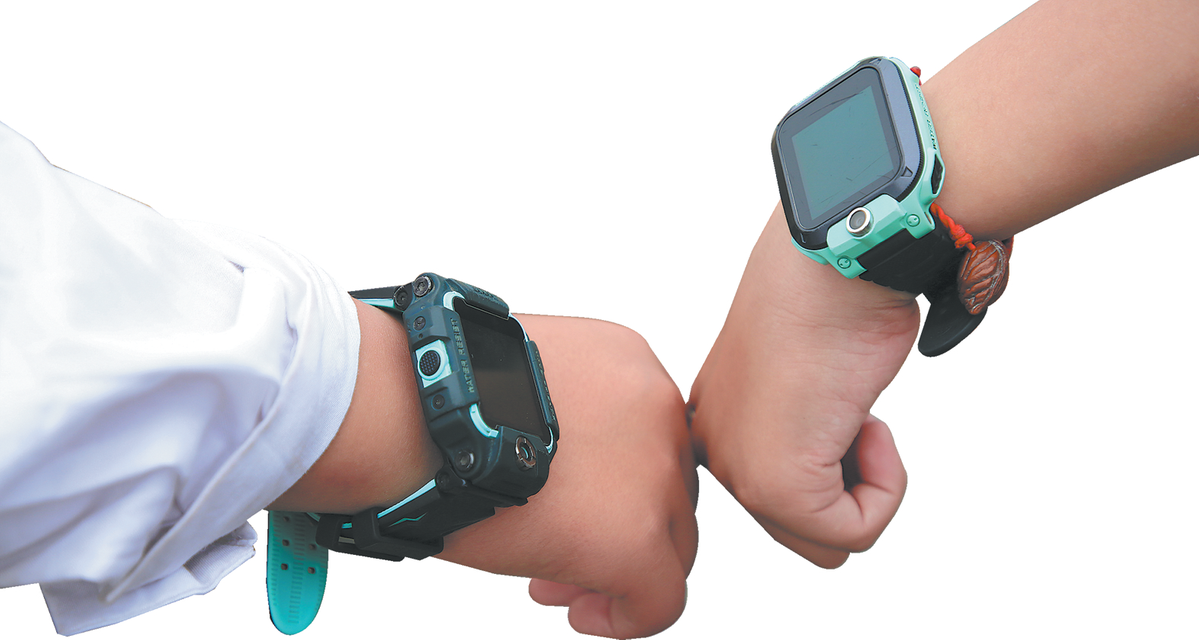
Huang Lei, the youngster from Changsha, described how brand dominance shapes social circles.
"Little Genius dominates the market. If one person uses it, everyone follows because you can only add friends using the same brand," she said.
This creates a form of digital peer pressure where device compatibility determines social access, critics say.
Yu Zexi said some classmates change watches frequently to keep up with newer models. "It's like Apple phones — there's Z7, Z8, Z9, each more advanced and expensive than the previous model," she said.
Both young students are aware of potential risks.
Huang has encountered online bad language and cyberbullying that has spilled into offline interactions. "They learn rude words from online games or videos and then use them to insult classmates during chats," she said.
Yu described more potentially dangerous behavior among her peers. "Some students befriend strangers through the watch or engage in 'CP' (couple-like) relationships," she said.
While she said she had no strangers in her own friends list, she acknowledged it would be interesting to try.
The two students said they understand the commercial forces at play behind these devices.
"Little Genius knows how to appeal to children's psychology," Yu said. "They release slightly upgraded models regularly, so children will keep wanting the newer version."
Huang added: "It's not exactly cheating us, but they're definitely targeting our weaknesses."